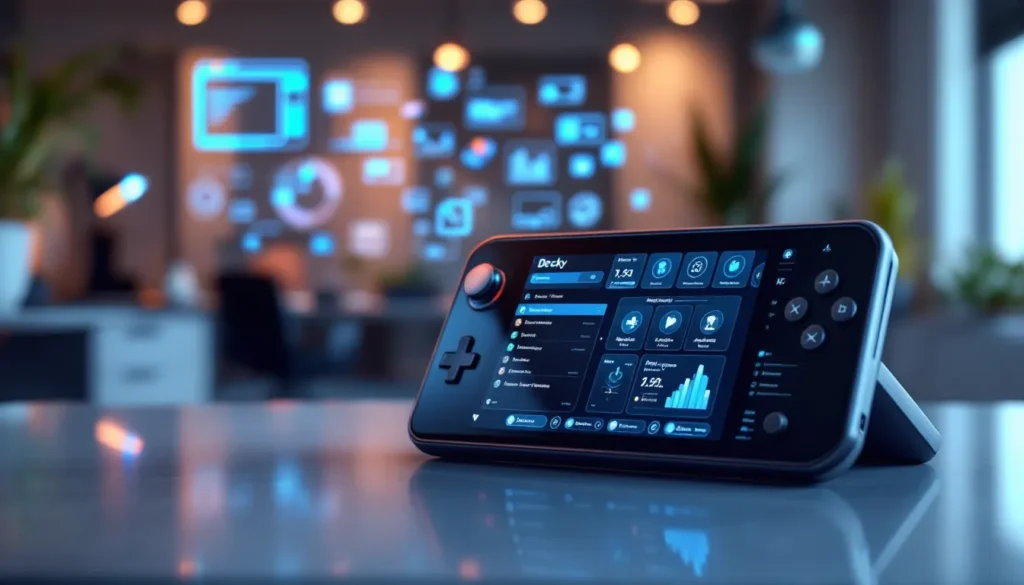
The Steam Deck changed portable PC gaming when Valve released it in 2022. This handheld device runs a full Linux-based operating system and plays thousands of Steam library games on the go. Whether someone wants to enjoy AAA titles during a commute or indie games from bed, the Steam Deck delivers desktop-quality gaming in a portable form factor.
This guide covers everything buyers need to know about the Steam Deck. From specifications and pricing to game compatibility and real-world performance, readers will find all the details to decide if this device fits their gaming needs.
Table of Contents
ToggleKey Takeaways
- The Steam Deck is a handheld gaming PC by Valve that runs SteamOS and gives users portable access to their entire Steam library.
- Models range from $349 (64GB LCD) to $649 (1TB OLED), with the Steam Deck OLED offering the best display quality and battery life.
- Over 10,000 games are Verified or Playable on the Steam Deck, including popular titles like Elden Ring, Baldur’s Gate 3, and Stardew Valley.
- The device targets 30-60 FPS at 800p resolution, with FSR upscaling helping boost performance on demanding games.
- The Steam Deck is ideal for PC gamers who travel, enjoy emulation, or want budget-friendly portable gaming with their existing library.
- Some multiplayer games with anti-cheat software (like Fortnite) don’t work on Linux, so always check compatibility before purchasing.
What Is the Steam Deck?
The Steam Deck is a handheld gaming PC made by Valve Corporation. It runs SteamOS, a custom Linux-based operating system designed for gaming. Unlike the Nintendo Switch or other portable consoles, the Steam Deck gives users access to their entire Steam library, no separate purchases required.
Valve designed the Steam Deck to feel like a gaming PC in your hands. It features a 7-inch touchscreen display, dual trackpads, analog sticks, and a full array of buttons. The device also includes gyroscopic controls for motion-based aiming in supported games.
One major advantage of the Steam Deck is its open nature. Users can install Windows, add emulators, or run non-Steam applications. This flexibility separates it from closed ecosystems like those found on traditional consoles. The Steam Deck functions as both a gaming device and a pocket-sized Linux computer.
Key Features and Specifications
The Steam Deck packs serious hardware into its portable shell. Here’s what powers this device:
Processor and Graphics
- Custom AMD APU with Zen 2 CPU architecture
- 4 cores / 8 threads running at 2.4-3.5 GHz
- RDNA 2 GPU with 8 compute units
- 1.6 TFLOPs of graphics performance
Display
- 7-inch IPS LCD (base models) or HDR OLED (limited edition)
- 1280 x 800 resolution
- 60Hz refresh rate (90Hz on OLED model)
- Touch-enabled screen
Memory and Storage
- 16GB LPDDR5 RAM
- 64GB eMMC, 256GB NVMe SSD, or 512GB NVMe SSD depending on model
- MicroSD card slot for expandable storage
Battery
- 40Wh battery
- 2-8 hours of gameplay depending on the title
- 45W USB-C charging
The Steam Deck weighs approximately 669 grams (1.47 pounds). It measures 298mm x 117mm x 49mm, larger than a Nintendo Switch but comfortable for extended gaming sessions. The device includes stereo speakers, a 3.5mm audio jack, and Bluetooth 5.0 for wireless audio.
Available Models and Pricing
Valve currently offers multiple Steam Deck options at different price points:
Steam Deck LCD (64GB) – $349
This entry-level model uses eMMC storage, which runs slower than NVMe SSDs. It works well for gamers who plan to use microSD cards for most storage needs.
Steam Deck LCD (256GB) – $399
The mid-tier option includes faster NVMe storage and anti-glare glass. Most buyers find this model offers the best value.
Steam Deck LCD (512GB) – $449
The premium LCD model adds more storage and an exclusive carrying case. It suits users with large game libraries.
Steam Deck OLED (512GB) – $549
Valve released this upgraded version in late 2023. It features a larger 7.4-inch HDR OLED display, 90Hz refresh rate, improved battery life, and faster Wi-Fi 6E. The screen quality alone makes this the best Steam Deck for most buyers.
Steam Deck OLED (1TB) – $649
The flagship model includes maximum storage and a smoker translucent shell option. Power users and collectors gravitate toward this version.
All models ship with a carrying case and play the same games at identical performance levels. Storage and display quality represent the main differences.
Game Compatibility and Performance
The Steam Deck runs most PC games, but compatibility varies. Valve uses a verification system to categorize games:
- Verified: Games work perfectly with no tweaks needed
- Playable: Games run but may require controller configuration or other adjustments
- Unsupported: Games have significant issues or don’t work
- Unknown: Games haven’t been tested yet
As of late 2024, over 10,000 games carry Verified or Playable status. Popular titles like Elden Ring, Baldur’s Gate 3, Hades, and Stardew Valley run excellently on the Steam Deck.
Performance Expectations
The Steam Deck targets 30-60 FPS gameplay at its native 800p resolution. Less demanding games like Vampire Survivors or Dead Cells run at locked 60 FPS. Heavier titles like Cyberpunk 2077 or Starfield often require lowered settings to maintain smooth framerates.
Valve’s FSR (FidelityFX Super Resolution) upscaling helps improve performance. The Steam Deck renders games at lower resolutions, then upscales to 800p. This technique boosts FPS without dramatically affecting visual quality.
Anti-Cheat Considerations
Some multiplayer games don’t work due to anti-cheat software. Titles using Easy Anti-Cheat or BattlEye may not function on Linux. Games like Fortnite remain unplayable, while others like Apex Legends work fine. Always check compatibility before purchasing a game specifically for Steam Deck use.
Is the Steam Deck Worth It?
The Steam Deck makes sense for specific types of gamers. Here’s who benefits most:
Ideal For:
- PC gamers who want portable access to their existing library
- Players who travel frequently or commute
- Anyone interested in emulation and retro gaming
- Tinkerers who enjoy customizing their devices
- Budget-conscious gamers (games cost less on Steam than console stores)
Less Ideal For:
- Players focused exclusively on competitive multiplayer
- Those who prefer console exclusives
- Users uncomfortable with occasional troubleshooting
- Gamers who prioritize 4K visuals above portability
The Steam Deck competes with devices like the ASUS ROG Ally, Lenovo Legion Go, and MSI Claw. These Windows-based alternatives offer more raw power but lack SteamOS’s optimization and sleep/resume reliability. The Steam Deck remains the most polished handheld gaming PC experience available.
For the price, the Steam Deck delivers exceptional value. A $399 device that plays thousands of PC games, many of which buyers already own, represents a smart investment for the right user.