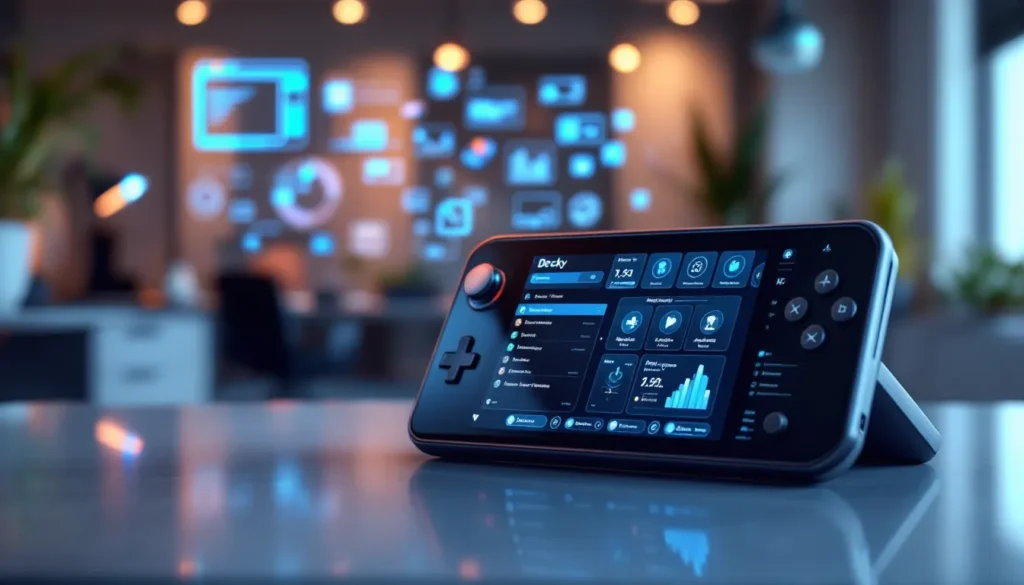
Steam Deck trends 2026 point toward an exciting year for portable PC gaming. Valve’s handheld device has grown from a niche product into a mainstream gaming platform. Millions of players now carry full PC libraries in their backpacks.
This year brings significant changes. Hardware improvements, software updates, and a growing ecosystem will shape the Steam Deck experience. Gamers want to know what’s coming and how it affects their buying decisions.
This article covers the key Steam Deck trends for 2026. It examines hardware upgrades, software changes, game compatibility, accessories, and market competition. Each section provides clear insights into what players can expect throughout the year.
Table of Contents
ToggleKey Takeaways
- Steam Deck trends 2026 point to major hardware upgrades, including better battery life (20-30% improvement), improved displays, and more efficient AMD chips.
- SteamOS and Proton updates continue to shrink the Windows game compatibility gap, making more titles playable on day one.
- The Steam Deck verified library now rivals traditional consoles, with AAA publishers, indie developers, and anti-cheat providers fully supporting the platform.
- A thriving third-party accessory ecosystem offers docks, cases, cooling attachments, and controller grips to enhance the Steam Deck experience.
- Valve maintains a strong market position against Windows-based competitors through competitive pricing and optimized gaming software.
- Global retail expansion and Valve’s ongoing commitment signal the Steam Deck is here to stay as a mainstream gaming platform.
Hardware Upgrades and New Models
Valve continues to refine the Steam Deck hardware in 2026. The company has signaled its commitment to iterative improvements rather than complete redesigns. This approach keeps prices stable while delivering meaningful upgrades.
The Steam Deck OLED proved that display technology matters to gamers. Industry analysts expect further screen improvements this year. Higher refresh rates and better color accuracy remain priorities for Valve’s engineering team.
Battery life remains a common complaint among Steam Deck owners. New battery chemistry and more efficient chips could extend play sessions significantly. Some reports suggest a 20-30% improvement in battery performance for upcoming models.
The APU (Accelerated Processing Unit) inside the Steam Deck determines gaming performance. AMD’s latest mobile chips offer better performance per watt. A mid-cycle refresh with updated silicon would help the Steam Deck run newer games more smoothly.
Storage options have expanded since launch. The 2026 Steam Deck trends include larger internal drives and faster microSD card support. Players can store more games without constant management.
Cooling systems also receive attention. Quieter fans and better thermal management help gamers play longer without discomfort. These hardware refinements make the Steam Deck a more polished product overall.
Software and Operating System Improvements
SteamOS continues to mature as a gaming operating system. Valve pushes regular updates that improve stability and add features. The 2026 Steam Deck trends show a focus on user experience polish.
Game Mode receives frequent refinements. Quick access menus, performance overlays, and controller configurations become more intuitive. These changes help new users get started faster.
Desktop Mode has grown more capable. Valve has improved app compatibility and simplified common tasks. Users can browse the web, watch videos, and run productivity software more easily.
Proton, Valve’s compatibility layer, translates Windows games for Linux. Each update brings better performance and wider game support. The Steam Deck trends for 2026 include major Proton improvements that shrink the compatibility gap.
Cloud save integration works seamlessly across devices. Players start a game on their desktop PC and continue on the Steam Deck without friction. This feature strengthens the Steam ecosystem.
Valve has also improved suspend and resume functions. Games pause instantly when the device sleeps. They return exactly where the player left off. This console-like behavior sets the Steam Deck apart from traditional laptops.
Expanding Game Library and Compatibility
The Steam Deck verified program has cataloged thousands of games. Valve tests titles and assigns compatibility ratings. This system helps buyers make informed choices.
More developers now test their games on Steam Deck before launch. Day-one compatibility has become a selling point. The 2026 Steam Deck trends reflect this shift in developer priorities.
AAA publishers increasingly support the platform. Major releases from Electronic Arts, Ubisoft, and other studios work well on the Steam Deck. This mainstream acceptance validates the device.
Indie games thrive on the Steam Deck. Lower system requirements mean smooth performance. The portable format suits shorter play sessions common with indie titles.
Anti-cheat software caused early compatibility issues. Most major anti-cheat providers now support Linux. Multiplayer games that once failed now run without problems.
Emulation has found a home on the Steam Deck. Retro gaming enthusiasts use the device to play classic titles. The controls and form factor suit older games perfectly.
The Steam Deck trends 2026 show a library that rivals traditional consoles. Players have access to decades of PC gaming history on a single portable device.
Accessories and Third-Party Ecosystem Growth
The accessory market around the Steam Deck has exploded. Third-party manufacturers produce docks, cases, controllers, and more. This ecosystem adds value to the core product.
Docking stations turn the Steam Deck into a desktop replacement. Players connect monitors, keyboards, and mice for a full PC experience. Prices range from budget options to premium hubs with multiple ports.
Carrying cases protect the device during travel. Options include hard shells, soft pouches, and backpack-style bags. Some cases integrate battery packs for extended play.
Controller grips and skins customize the feel of the Steam Deck. Larger grips help players with big hands. Textured skins improve grip and add personal style.
Screen protectors guard against scratches and impacts. Tempered glass options maintain display clarity while adding durability. Most Steam Deck owners consider protection essential.
The 2026 Steam Deck trends include more specialized accessories. Cooling attachments, portable stands, and modular components expand what the device can do. This third-party support mirrors what successful gaming platforms enjoy.
Valve’s official accessories set quality benchmarks. The company’s dock and case products influence third-party designs. Competition keeps prices reasonable and quality high.
Competitive Landscape and Market Position
The Steam Deck faces more competition in 2026 than ever before. Other companies have entered the handheld PC market. This competition drives innovation across the category.
ASUS, Lenovo, and MSI sell Windows-based handhelds. These devices often feature more powerful hardware at higher prices. They target enthusiasts willing to pay for top performance.
The Steam Deck maintains a price advantage. Valve subsidizes hardware to grow its platform. Competitors struggle to match this value proposition.
SteamOS gives Valve another edge. The operating system optimizes for gaming rather than general computing. Windows handhelds sacrifice battery life and simplicity for broader software support.
Nintendo remains relevant in the portable gaming discussion. The Switch appeals to different audiences but shares shelf space with the Steam Deck. Some gamers own both devices.
The 2026 Steam Deck trends suggest Valve will hold its market position. Strong software integration and competitive pricing create a compelling package. The company’s distribution through Steam gives it unique advantages.
Retail availability has improved globally. More regions can purchase the Steam Deck directly. This expansion grows the user base and attracts developer attention.
Valve’s commitment to the platform reassures buyers. Regular updates and clear communication build trust. The Steam Deck has become a permanent part of the gaming landscape.