
Racing games trends 2026 are shaping up to deliver some of the most exciting changes the genre has seen in years. Developers are pushing boundaries with smarter AI opponents, deeper VR integration, and fresh takes on multiplayer connectivity. The racing game landscape is shifting fast, and players who want to stay ahead need to know what’s coming.
This year marks a turning point. Studios are responding to player feedback while embracing new technology that wasn’t viable even two years ago. From realistic electric vehicle physics to seamless cross-platform racing, the changes aren’t just incremental, they’re transformative. Here’s what racing fans should watch for in 2026.
Table of Contents
ToggleKey Takeaways
- Racing games trends 2026 feature adaptive AI opponents that learn your driving style and dynamically adjust their strategies to provide genuinely challenging competition.
- VR racing experiences are becoming more accessible with higher refresh rate headsets, reduced motion sickness, and immersive haptic feedback systems that simulate G-forces.
- Cross-platform play is finally unifying player bases, allowing seamless progress syncing across PC, console, and mobile devices.
- Electric vehicle integration goes beyond roster additions—expect accurate EV physics, battery management strategy, and official Formula E licensing.
- Live service models are evolving toward player-friendly approaches with cosmetic-focused season passes while keeping core gameplay accessible to everyone.
- Dynamic track environments now feature real-time weather changes, persistent debris, and track degradation that fundamentally alter race strategies.
Advanced AI and Dynamic Racing Environments
AI opponents in racing games have historically followed predictable patterns. Experienced players could memorize their behaviors and exploit them race after race. That’s changing dramatically in 2026.
New machine learning systems allow AI drivers to adapt to individual player styles. If someone consistently brakes late into corners, the AI learns to defend that line. If a player favors drafting on straightaways, opponents adjust their positioning to block. This creates racing games trends 2026 players actually asked for, competition that feels genuinely challenging without resorting to rubber-banding or artificial speed boosts.
Dynamic environments represent another major shift. Tracks now respond to race conditions in real time. Rain doesn’t just appear on a timer, weather systems develop organically based on simulated atmospheric conditions. A dry track can become treacherous mid-race, forcing pit strategy changes on the fly.
Some developers are implementing track degradation that carries over between sessions. Rubber buildup affects grip levels. Collisions leave debris that persists until cleanup crews arrive. These details sound small, but they fundamentally change how races unfold.
The AI improvements extend beyond opponents too. Race engineers now provide genuinely useful feedback based on telemetry analysis. They’ll suggest setup changes that actually improve lap times rather than offering generic advice. For simulation fans, this brings racing games closer to the real motorsport experience than ever before.
VR and Immersive Simulation Experiences
Virtual reality racing has existed for years, but 2026 brings meaningful improvements that address previous limitations. The racing games trends 2026 players will notice most involve comfort and visual fidelity.
New headsets offer higher refresh rates and wider fields of view. Motion sickness, a persistent problem for VR racing, becomes less common with these hardware advances. Software optimization plays a role too. Developers are building games from the ground up for VR rather than retrofitting flat-screen titles.
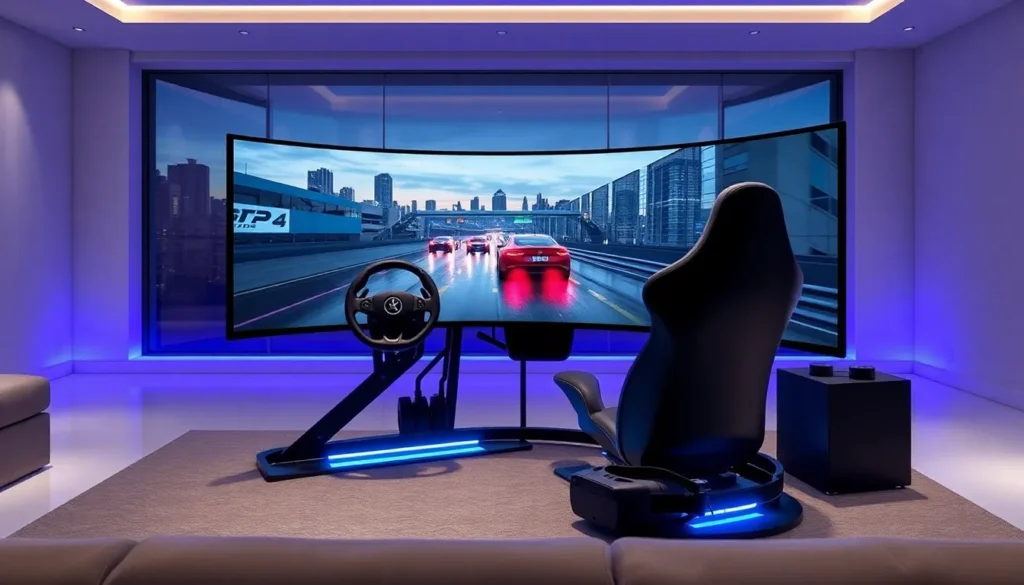
Haptic feedback systems have matured significantly. Racing seats with integrated force feedback motors simulate G-forces during acceleration, braking, and cornering. Some setups include wind simulation and temperature changes based on in-game conditions. These additions transform racing from a visual experience into a physical one.
The simulation racing community particularly benefits from these advances. Titles focusing on realistic physics can now deliver that realism through multiple senses. Feeling the car’s weight transfer through a corner adds information players previously had to guess from visual cues alone.
Multiplayer VR racing creates unique social experiences too. Players can see opponents’ head movements and hand gestures in cockpit views. Trash talk between friends feels more personal when you can watch someone shake their fist after a close pass. These small touches make racing games trends 2026 about connection, not just competition.
Accessibility improvements deserve mention as well. New comfort modes and customizable intensity settings allow more players to enjoy VR racing without discomfort. Developers recognize that growing the audience means accommodating different tolerance levels.
Cross-Platform Play and Live Service Models
Platform barriers are finally crumbling in meaningful ways. Racing games trends 2026 strongly favor unified player bases where PC, console, and even mobile racers compete together. This shift addresses a long-standing frustration, buying a game only to find empty lobbies because the community fragmented across platforms.
Cross-platform implementation goes beyond basic matchmaking. Progress syncs across devices. Start a career on console, continue it on PC during lunch breaks, then race a quick event on mobile during commutes. Cloud saves make this seamless, and most major racing titles now support the feature.
Live service models continue evolving, though player reception remains mixed. The best implementations add genuine value through regular content drops, new tracks, vehicles, and seasonal events. The worst lock essential content behind paywalls or make progression painfully slow without purchases.
2026 sees more developers finding middle ground. Season passes offer cosmetic items and early access to new content while keeping core gameplay available to everyone. This approach builds communities rather than dividing them between paying and non-paying players.
Esports integration drives many live service decisions. Regular balance updates keep competitive racing fair. Ranked seasons with meaningful rewards encourage sustained engagement. Some racing games trends 2026 players will encounter include official tournament support built directly into games rather than requiring external organization.
The community tools deserve recognition too. Improved spectator modes, instant replay sharing, and integrated streaming features help racing content creators. When players can easily share exciting moments, word spreads and communities grow organically.
Electric and Sustainable Vehicle Integration
Electric vehicles are transforming real-world motorsport, and racing games follow suit. Racing games trends 2026 include significant EV representation that goes beyond simply adding electric cars to existing rosters.
Developers are modeling EV-specific physics accurately. Instant torque delivery changes acceleration dynamics. Regenerative braking affects how players approach corners. Battery management becomes a strategic element, push too hard early, and range anxiety becomes a real factor in longer races.
Formula E and other electric racing series gain prominent placement in major titles. These official licenses bring authentic tracks, teams, and regulations. Players can experience the unique challenges of street circuit racing where energy management matters as much as raw speed.
Sustainability themes extend beyond vehicle selection. Some games incorporate environmental storytelling, showing motorsport’s evolution toward cleaner technologies. Career modes might include decisions about team sustainability practices that affect sponsorship opportunities and public perception.
Hydrogen vehicles and other alternative powertrains appear in forward-looking titles too. While these technologies remain emerging in real racing, games offer a space to imagine their potential. Concept vehicles from manufacturers provide glimpses at possible futures.
The sound design challenges are interesting. Electric vehicles produce different audio profiles than internal combustion engines. Developers work to make EV racing sonically satisfying without resorting to fake engine noise. Tire squeal, wind rush, and motor whine create their own distinct soundscape.
These racing games trends 2026 reflect broader cultural shifts. Younger players increasingly expect EV representation. Manufacturers want their electric lineups featured prominently. Games serve as both entertainment and subtle marketing for automotive futures.