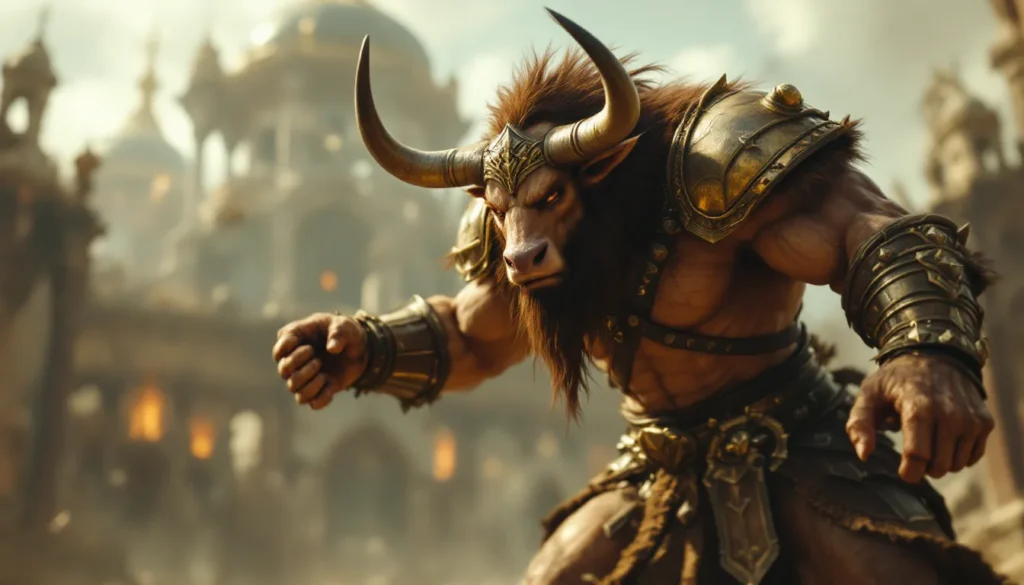

Alistar has remained one of League of Legends’ most impactful supports since his rework in Season 3, and 2026 is no different. The Minotaur’s ability to dictate fights through crowd control, peel for carries, and initiate teamfights makes him a staple pick in solo queue and professional play alike. Whether you’re climbing ranked or refining your support pool, mastering Alistar means understanding his engage timing, ability combinations, and itemization. This guide covers everything you need to lock him in with confidence, from laning phase fundamentals to positioning in the late game.
Table of Contents
ToggleKey Takeaways
- Alistar League of Legends remains a top-tier support champion in 2026 with a strong 52% win rate, excelling at initiating fights and protecting teammates through powerful crowd control combinations.
- The Pulverize into Headbutt combo creates a guaranteed 2-second crowd control chain that locks down priority targets, making proper engage timing and team follow-up essential for success.
- Prioritize tankiness items like Kaenic Rookern and Hollow Radiance over pure ability power, as Alistar reaches peak effectiveness with 150–250 AP from items plus defensive scaling.
- Aftershock rune setup maintains a 53% win rate on Alistar and synergizes perfectly with his crowd control combo, dramatically increasing your effective HP during engages.
- The mid-game phase (20–30 minutes) is Alistar’s strongest period—group for objectives, use vision control to catch enemies, and leverage your low cooldowns for repeated engages.
- Avoid engaging without verified team follow-up, neglecting Protective Onslaught shields, and overextending into fog of war without vision control, as these mistakes lead to preventable deaths and lost fights.
Who Is Alistar and What Role Does He Play
Alistar is an AP/tank support champion who excels at initiating fights and protecting his team through crowd control. Unlike traditional squishy enchanters, Alistar is built to absorb damage while dealing respectable utility and even damage output. His primary role is bottom lane support, though he sees occasional play in the top lane and jungle as a disruptive bruiser.
In 2026, Alistar sits in a strong meta position. The current patch favors early skirmishing and objective control, both of which align with Alistar’s kit. His crowd control chain, Pulverize into Headbutt, remains the most reliable way to lock down key targets and set up kills for your team. This combo is especially deadly against immobile ADCs or low-mobility junglers who can’t escape the engage.
What makes Alistar unique compared to other engage supports is his defensive identity. While champions like Nautilus or Thresh are primarily playmakers, Alistar splits his power between initiation and peel. His Protective Onslaught and Unbreakable give him both offensive and defensive tools, making him adaptable to various game states. You’re not locked into going “all-in” every teamfight, you can adapt based on your team’s win conditions.
As mentioned in our comprehensive guide on best League of Legends champions for every role in 2025, support champions with dual purposes tend to scale better into late-game scenarios. Alistar’s flexibility in playstyle is one reason he maintains a consistent 52% win rate across solo queue patches.
Abilities Overview
Understanding Alistar’s ability kit is the foundation of playing him effectively. Each ability serves a distinct purpose, and the order in which you level them directly impacts your damage output and utility.
Passive: Trample
Trample allows Alistar to store up to 5 charges, with each nearby enemy champion hit granting him a charge. When Alistar uses Pulverize or Headbutt, he detonates all stored charges, dealing 6-60 AD (scaling with ability power) magic damage per charge to nearby enemies. This passive encourages you to position aggressively in teamfights and abuse the fact that Alistar can trigger AOE damage while using his core CC tools.
The key mechanic here: your passive damage scales with AP, not AD. This incentivizes building ability power as a second offensive stat after your tank items. Many new Alistar players underestimate how much passive damage contributes to their burst.
Q Ability: Pulverize
Pulverize is Alistar’s primary crowd control tool. He rams forward in a line, knocking up all enemies hit for 1 second and dealing 55-335 damage (based on level and AP scaling, 0.5 AP ratio). The ability has a 12-second cooldown at rank 1 and scales down to 8 seconds at rank 5.
This is your engage button. In lane, Pulverize is your primary tool for winning short trades, knock up the enemy ADC, allow your carry to auto-attack freely, and reset positioning. At full build with around 200 AP from items, Pulverize deals significant chunk damage on its own.
One critical tip: the knockup direction is away from Alistar, not upward. This means the enemy can still be engaged by teammates during the knockup window. Coordination with your jungler makes Pulverize one of the game’s most deadly engage tools.
W Ability: Headbutt
Headbutt is a short dash that knocks the target away from Alistar’s position, dealing 55-335 damage (0.5 AP ratio) and stunning the target for 1 second. With a 12-second cooldown at rank 1, this ability has high overlap with Pulverize in terms of cooldown.
The positioning component of Headbutt is underrated. Unlike straight knockups, the stun direction depends on where Alistar is relative to the target. This means you can use Headbutt to:
- Push dangerous enemies away from your carries
- Reposition squishy targets into your team’s damage
- Create space when engaged upon
Sequencing Pulverize → Headbutt creates a guaranteed 2-second CC chain. Against high-value targets like enemy ADCs or supports, this combo often determines the outcome of teamfights.
E Ability: Protective Onslaught
Protective Onslaught grants a shield to a nearby ally (or Alistar himself) for 50-250 + (0.4 AP) health for 2.5 seconds, and Alistar gains movement speed during the shield duration. With a 10-second cooldown, this ability reinforces Alistar’s dual role as both initiator and protector.
Most Alistar players use Protective Onslaught reactively, shield a carry getting dove or extend it to yourself before an engage. But, the ability shines when used proactively. Shielding your ADC before your jungler ganks can absorb a counterattack and swing the skirmish. The movement speed component also helps Alistar kite after using his CC.
R Ability: Unbreakable
Unbreakable is Alistar’s ultimate, activating either active or passive depending on playstyle. Passive: Alistar reduces all incoming damage by 10/15/20%. Active: He can activate to reduce incoming damage by 50/55/60% for 6/7/8 seconds, with a 120-second cooldown.
This ultimate is a defensive pivotal tool. During the active window, Alistar becomes an unkillable frontline. Enemies cannot burst him, and his team gains breathing room. Many winning teamfights happen because Alistar activates Unbreakable at the right moment, absorbing skillshots meant for his carries or soaking enemy abilities that would otherwise be devastating.
Timing is everything. Activating Unbreakable too early wastes its duration: activating it too late means you’re already blown up. In teamfights, activate it when you expect a specific threat (enemy ult, point-and-click damage from multiple sources, or burst combinations).
Best Build and Item Paths
Alistar’s itemization in 2026 has evolved to emphasize tankiness with meaningful ability power scaling. The meta favors support items that grant both defenses and utility, moving away from pure damage builds that dominated earlier seasons.
Starting items: Purchase Spellthief’s Edge into matchups where you can harass consistently (against immobile supports). Alternatively, Relic Shield if you’re into tank supports or need to scale your HP. Against heavy poke, Spellthief’s with early pots often outperforms because you’ll control the engagement timing.
First back: Rush Abyssal Mask or Kaenic Rookern depending on enemy composition. If the enemy team has heavy AP damage, Kaenic Rookern’s 25% reduced damage taken from enemies is invaluable for teamfighting. Abyssal Mask provides HP + MR + haste, making it a more flexible choice into mixed damage.
Core build path:
- Kaenic Rookern or Abyssal Mask (situational, pick based on enemy composition)
- Hollow Radiance (tankiness + haste + 15% CDR for enemies near you)
- Thornmail (if enemy has high AD or auto-reliant champs like ADCs, top laners)
- Plated Steelcaps or Mercury’s Treads (early, after first item)
- Demonic Embrace (AP + tankiness + DOT damage for extended fights)
- Adaptive Helm or Hollow Radiance (flex defensive slot)
Alternative defensive itemization:
- Spirit Visage against heavy poke or sustain-heavy teams (synergizes with your HP scaling)
- Force of Nature if you need the movement speed to kite and the MR stack mechanic
- Zhonya’s Hourglass only if you’re significantly ahead: it’s a win-more item for support Alistar
The key principle: always prioritize HP and resistances over pure ability power. Ability power matters only after you’ve secured sufficient tankiness to function as a frontline. Most Alistar games end with 150-250 AP from items, which is plenty given your scaling ratios.
Mid-game spike: After finishing your first defensive item and Hollow Radiance, Alistar reaches his strongest period. Your Pulverize + Headbutt combo deals significant damage (especially with Trample charged), your tankiness allows you to eat skillshots, and your cooldowns are low enough for repeated engages.
Research from game tier lists and build guides shows that Alistar’s win rate spikes hardest between the 20-30 minute mark, before full builds are completed and enemy carries have time to scale. This is when you should be grouping for fights and forcing objectives.
Rune Selections for Optimal Performance
Rune selection dictates your early game strength, scaling path, and playstyle. In 2026, two primary rune setups dominate Alistar play: Aftershock for engage-heavy playstyles and Glacial Augment for control-oriented supports.
Primary Setup: Aftershock
After entering combat or casting a crowd control ability, Aftershock grants you 60-110 armor/MR (based on level) and bonus HP for 2.5 seconds. This keystone is perfectly aligned with Alistar’s combo pattern: Pulverize → Headbutt proc Aftershock twice, dramatically increasing your effective HP during engages.
AfterShock runes:
- Keystone: Aftershock
- Secondaries: Font of Life (allies gain healing when you CC enemies), Conditioning (late-game armor/MR), Overgrowth (scaling HP)
This setup is optimal into squishy bot lanes or when your team needs reliable initiation. You become incredibly tanky during your combo window, allowing greedy engages that would otherwise get you killed.
Alternative Setup: Glacial Augment
Glacial Augment triggers on your first ability hit against an enemy champion, slowing nearby enemies by 40-60% for 2 seconds. This rune adds kiting and positioning control to Alistar’s kit.
Glacial Augment runes:
- Keystone: Glacial Augment
- Secondaries: Hextech Flash Rockets (bonus damage to nearby enemies), Biscuit Delivery (sustain)
This setup shines into mobile enemy compositions where you need to lock down targets before they reposition. It also helps your carries kite by providing team-wide slows.
Secondary Rune Tree: In both setups, take Inspiration as your secondary tree for Hextech Flash Rockets (bonus damage) or Future’s Market (early item spikes). Alternatively, Resolve provides Font of Life or Conditioning for additional tankiness scaling.
Stat shards: Prioritize Ability Haste, Armor, and MR shards to maximize both offensive and defensive stats. Never take Attack Damage shards, Alistar doesn’t scale with AD.
According to Mobalytics competitive gaming guides, Aftershock maintains a 53% win rate on Alistar across all elo brackets, while Glacial Augment drops to 50.5%. The difference is margible, meaning matchup choice matters more than rune selection. Play whichever setup matches your playstyle and enemy composition.
Laning Phase Strategy and Matchups
The laning phase sets the tone for Alistar’s entire game. A successful early game translates to mid-game dominance: a weak start limits your teamfighting impact even though your champion’s inherent tankiness.
Core laning principles:
Aggression windows: Alistar’s all-in potential is highest when your ADC has auto-attack follow-up and when enemies are low on health or mana. A Pulverize into Headbutt at 50% enemy HP often converts to a kill. Respect your ADC’s damage output, if you’re playing with a weak early champ like Scaling ADCs, dial back aggression until they reach sufficient damage.
Mana management: Unlike enchanter supports with spammable shields, Alistar has limited mana. Pulverize and Headbutt cost 60 mana each at rank 1. Spamming both abilities twice per minute drains your mana within 4-5 minutes. Instead, use Protective Onslaught for defensive value (very low mana cost), and save your CC for high-impact moments.
Vision control: Place your trinket ward in river at the 2-minute mark (level 2 power spike window). Alistar’s CC combo kills most junglers at level 2, so enemy junglers respect the matchup. A well-placed ward often forces enemy jungle pathing and gives your jungler a gank opportunity.
Matchup-specific tips:
Favorable matchups (pick Alistar here):
- vs. Janna, Lulu, Soraka: These enchanter supports lack CC to counter your engage. Pulverize them before they position, and lock them down during skirmishes.
- vs. Rell, Leona: Mirror matchups where whoever lands CC first wins. Alistar’s dash component on Headbutt gives marginal positioning advantage. Play around their cooldowns.
- vs. Nautilus: Similar engage tools, but Alistar’s shorter cooldowns mean you can trade repeatedly. After level 6, Unbreakable negates Nautilus’s burst, swinging teamfights in your favor.
Challenging matchups (consider dodging):
- vs. Pyke: Pyke’s mobility and execute ult make him dangerous during Alistar’s CC windows. He resets on kills, turning fights into 4v5s. Play safe, focus on protecting your ADC, and let your jungler prioritize ganks against Pyke.
- vs. Thresh: Flay interrupt tech shuts down your all-in. Respect Thresh’s range and poke before committing to engages.
- vs. Bard: His roaming creates map pressure Alistar can’t match from bot lane. Play for bot lane supremacy early (before roams become relevant), and group proactively mid-game.
Wave management: Push waves after winning a trade, then reset. This denies enemies cs and allows you to roam with advantage. Alistar has one of the best roaming profiles among supports due to his tankiness and CC, using it properly multiplies your impact across the map.
One often-overlooked tip: after using your full CC combo, walk away from the enemy ADC and let your ADC finish the kill. This prevents you from absorbing damage that’s meant for your carry, keeping you healthy for the next skirmish. New Alistar players often stand around after a Pulverize → Headbutt, eating return fire and lowering their own HP unnecessarily.
Mid-Game Engagement and Teamfighting
The mid-game (15-25 minutes) is where Alistar transitions from a lane bully into a teamfight anchor. Your itemization is coming online, your cooldowns are low, and map control around objectives like dragons and Herald becomes paramount.
Objective prioritization: Group for objectives before enemies do. Alistar’s Pulverize + Headbutt combo is devastating in choke points (river, jungle entrances, dragon pit). Position yourself where you can catch enemies off-guard or protect your team from enemy engages.
Positioning in 5v5 teamfights:
- If your team is ahead: Position slightly forward of your backline, within Pulverize range of high-value targets. Catch the enemy ADC or mid laner before they position safely, and lock them down for your team to burst.
- If your team is behind: Play safer, positioning between your carries and the enemy team. Your job shifts from engaging to peeling, use Headbutt to knock enemies away, Protective Onslaught for shields, and Unbreakable for damage reduction when burst comes in.
- If it’s even: Play around your team’s win condition. If your team wants to split-push, help that by controlling vision and threatening enemy rotations. If your team wants to force grouped fights, help engages when advantages are clear.
Engage timing: Don’t just walk in and Pulverize the first enemy you see. Wait for your team to follow-up, or for the enemy team to waste cooldowns. A Pulverize without follow-up is a 12-second vulnerability window where you’re CC’d for 1 second and your abilities are on cooldown. This creates 2v5 situations where your team gets killed while you’re defenseless.
Instead, use Protective Onslaught to shield initiating teammates, let them soften enemies, then Pulverize when the fight becomes chaotic. This maximizes your team’s damage output while minimizing your personal risk.
Cooldown management: With proper itemization (Hollow Radiance + Kaenic Rookern), you reach 40% cooldown haste by mid-game. This means Pulverize comes back every ~7 seconds. Use this to your advantage: after your first combo, immediately start positioning for the next engage opportunity rather than sitting back.
Combat rotations:
Scenario 1: Your team has a clear engage (your jungler or ADC goes in)
Follow immediately. Protective Onslaught the engaged teammate, position for Pulverize on priority targets, and finish with Headbutt to lock down remaining threats.
Scenario 2: Enemy team engages into you
Use Protective Onslaught on the most endangered ally, then counter-engage. If they’re committing hard, activate Unbreakable when you predict the biggest burst (enemy ult, multiple abilities converging on one target).
Scenario 3: Poking/kiting phase (no full engage)
Hold your CC and use Protective Onslaught for poke resistance. Don’t waste Pulverize on long-range targets who can’t contest the objective. Wait for enemies to step into range or make mistakes.
According to League of Legends tips essential to improve gameplay, supports with high CC uptime (like Alistar) should look for 3-4 fights per mid-game phase rather than farming side lane. This is where Alistar’s power is concentrated, capitalize on it before the game scales into late-game territory.
Late-Game Positioning and Win Conditions
The late game (25+ minutes) is where Alistar’s tankiness and reliable CC define teamfights. Unlike carries that scale with items, Alistar reaches a “soft scaling” point, he doesn’t become dramatically stronger, but his reliability increases as both teams group and stakes rise.
Late-game win conditions:
Alistar wins late games by controlling teamfights around crucial objectives. The game likely hinges on Baron, Elder Dragon, or final teamfights. Your job is simple: lock down priority targets and protect your carries from assassination.
Positioning principles:
- Frontline anchor: Position where enemies must walk through you to reach your ADC or mid laner. You’re not a squishy support hiding behind your team, you’re a mobile tank who can engage and peel simultaneously.
- Vision denial: Control river and jungle entrances with deep wards. Late-game picks (where one kill ends the game) are devastating. Alistar’s CC prevents enemies from catching your team off-guard.
- Chase prevention: If your team wins a fight, group together and reset. Don’t chase low-HP enemies into fog of war where they could be waiting to turn a fight. Instead, pivot immediately to the nearest objective (Baron, Elder, high-value tower).
Alistar’s role in crucial fights:
Unlike early-game fights where you initiate and let skirmishes unfold naturally, late-game fights require specific target priority. If the enemy team has a fed ADC, your Pulverize into Headbutt should lock them down regardless of positioning. If they have an untargetable mobile threat (Zed, Fizz), focus on Protective Onslaught shields and peel for your own carry instead of chasing.
Unbreakable usage: This is where the late-game separates good Alistar players from great ones. Timing Unbreakable for the enemy team’s biggest threat (enemy team ult, multi-person burst) can swing fights from near-certain losses to victories. Common examples:
- Enemy Lux ult about to hit your ADC → activate Unbreakable to negate massive damage
- Enemy team grouping for a multi-person skillshot barrage → activate Unbreakable to let your team position safely
- Enemy ADC auto-attacking your backline → passive Unbreakable reduction stacks with armor, making you a 70%+ damage reduction wall
Playing from behind: If your team is down in gold, Alistar’s value actually increases. Your CC is even more valuable when enemies are stronger, locking down one person can create a temporary 4v5 and swing fights. Focus on stalling, farming under tower if needed, and looking for catch opportunities on isolated enemies.
Playing from ahead: Leverage your tankiness and CC to force fights on YOUR terms. Don’t wait for enemies to come to you: instead, position aggressively around objectives to force their hand. A Pulverize → Headbutt combo in a chokepoint often results in clean kills that close out the game.
Itemization adjustments: By 35+ minutes, consider selling a defensive item for Abyssal Mask if you want late-game poke resistance, or Adaptive Helm against heavy poke comps. These situational swaps can be the difference between surviving a crucial teamfight or getting burst when your team needs you most.
Research from League of Legends strategies essential to improve gameplay indicates that supports with high reliability in teamfights win more late-game scenarios. Alistar’s consistent CC and tanking make him exceptional in high-pressure moments.
Common Mistakes to Avoid
Even experienced players fall into Alistar traps. Recognizing and correcting these mistakes is the fastest way to climb.
Mistake 1: Engaging without follow-up
The most common error: Pulverize → Headbutt into 4 enemies when your team is 3 seconds away. You lock down 2 targets for 2 seconds, your team arrives late, and you die as a 5v4 unfolds. Instead, always verify your team is positioned to follow. Use pings to signal upcoming engages or wait for visible confirmation that teammates are nearby.
Mistake 2: Over-relying on Unbreakable for survival
New Alistar players activate Unbreakable prophylactically, wasting its duration before actual threats appear. By the time real burst comes, the active is on cooldown and you’re vulnerable. Instead, hold Unbreakable active and only trigger it when you see specific threats (enemy abilities being cast, health dropping below 30%, team being dove).
Mistake 3: Poor mana management in lane
Spamming Pulverize and Headbutt every 5 seconds forces you to base or play passively for 2 minutes. Instead, treat your CC like a resource. Use abilities only when:
- You have ADC follow-up for guaranteed damage
- The enemy is low enough to all-in
- Your jungler is nearby for a gank setup
Mistake 4: Forgetting Protective Onslaught exists
This ability is game-changing but often overlooked. Shielding your ADC before your jungler ganks, or shielding yourself before an all-in, can turn losing fights into winning ones. Practice casting Protective Onslaught preemptively instead of only using it reactively when teammates are already taking damage.
Mistake 5: Poor itemization against specific threats
Building a generic “tank” build every game leads to awful matchups where one enemy champion hard-counters you. If the enemy has a fed AD champion, Thornmail early is mandatory. If they have heavy AP, Kaenic Rookern before Hollow Radiance. Itemizing reactively to threats is what separates 50% win rate players from 55%+ climbers.
Mistake 6: Positioning too far forward without vision
Alistar’s tankiness tempts players to walk into fog of war. One enemy catch combo (Blitzcrank hook, Thresh lantern bait, etc.) and you’re dead with no way to protect your team. Always maintain vision control, and position only where you can see incoming threats.
**Mistake 7: Using Headbutt to engage instead of Pulverize
Pulverize knocks enemies away from you, grouping them for AOE (your Trample passive + team abilities). Headbutt knocks enemies away unpredictably. For engaging, always lead with Pulverize to organize enemies, then Headbutt for the secondary stun. Reversing the order makes enemies scatter and reduces your combo’s effectiveness.
Mistake 8: Neglecting roam opportunities
Some Alistar players sit in bot lane all game. While laning is important, Alistar’s CC is valuable across the map. If mid lane is pushed, roam with your jungler for a free gank. If top lane is overextended, use your superior tankiness to help a dive. Smart roaming can single-handedly swing games.
According to League of Legends tools essential for every player, high-level players use replay analysis to identify these patterns in their own gameplay. Watching your own Alistar games and noting when engages fail, mana runs out, or crucial abilities miss cooldowns is the fastest way to improve.
Conclusion
Alistar remains one of League of Legends’ most influential support champions in 2026, offering both playmaking potential and defensive reliability. His crowd control chain is simple yet devastatingly effective, his tankiness scales naturally, and his itemization path is straightforward enough for new players while deep enough for veterans to optimize.
Success with Alistar boils down to three core principles: understanding your engage windows (only all-in when follow-up is guaranteed), managing resources carefully (mana, cooldowns, positioning), and adapting to your team’s win condition (sometimes you initiate, sometimes you peel). The laning phase rewards aggression but punishes greed. Mid-game teamfights are where Alistar shines most. Late-game requires intelligent positioning and timely Unbreakable activation.
The champion’s skill ceiling is moderate, the basics are learnable within a few games, but the nuance (cooldown optimization, position reads, engage prediction) takes dozens of matches. Start by mastering the Aftershock rune setup and the standard Pulverize → Headbutt combo. Once comfortable, experiment with Glacial Augment, alternative builds, and roaming patterns.
For players looking to climb ranked, Alistar is one of the best investments. His win rate is consistently positive across all elos, he’s not permabanned, and a solid understanding of his kit translates to consistent impact. Compare your champion pool to what the professional LoL esports meta is currently prioritizing, Alistar appears in nearly every pro match, confirming his position as a staple pick.
Lock him in confidently, trust your tankiness, and let your crowd control do the talking. The Minotaur awaits.